
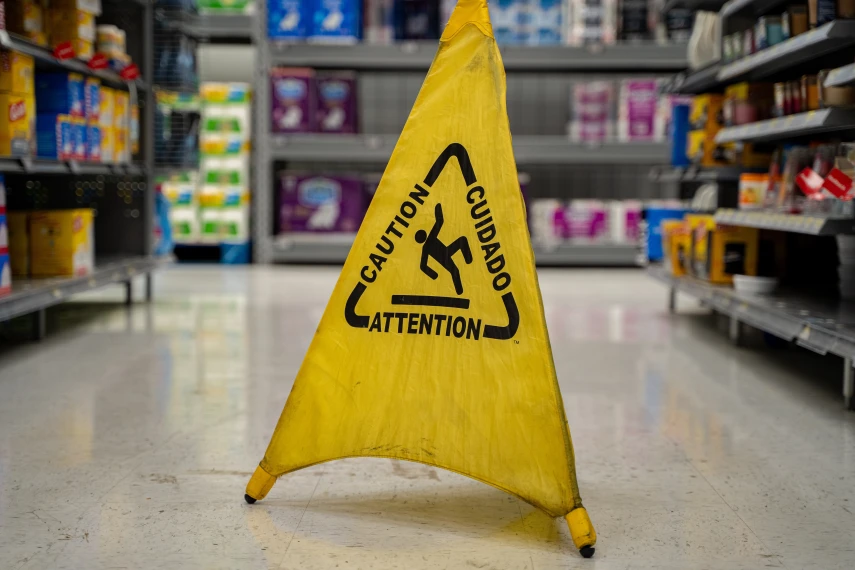
You fell in the cereal aisle, the checkout line, right by the deli case, or in the parking lot, and now you’re holding an insurance offer that barely covers the ER copay. That gap between what happened and what the check says is usually the first sign something is off.
If you were hurt shopping in Raleigh or anywhere else in North Carolina, O’Malley Tunstall PC personal injury lawyers may review your claim. Talk to us before you sign anything the store hands you.
Key Takeaways
- North Carolina gives you three years to file a slip and fall lawsuit, but the footage and witnesses that prove your case often disappear in weeks.
- A wet floor sign near a spill does not automatically clear the store of blame.
- North Carolina follows one of the harshest fault rules in the country, so insurers look hard for any reason to blame you.
- Wet floors, falling boxes, and unsecured pallets can cause serious injuries.
O’Malley Tunstall PC offers a free consultation for anyone hurt shopping in a North Carolina grocery store, and there’s no fee unless we recover money for you.
Why People Fall at the Grocery Store
There are many fall risks at a grocery store. Employees stock shelves during business hours, refrigerated cases sweat and drip, produce misting systems keep the lettuce fresh and the tile wet, and thousands of customers may move through the same aisles every day.
A store that knows the risk and still runs a thin cleaning schedule is choosing convenience over safety. If you’ve been hurt, it’s essential to know what the store knew or should have known before your fall.
It’s Not Always the Wet Floor You Picture
Most people picture a puddle by the dairy case when they think about a grocery store fall, and plenty of cases do start there. However, fall accidents also happen in other parts of the store.
A case of canned goods stacked two feet above eye level, a pallet left sitting mid-aisle during a restock, or an end cap display that was never properly secured can each be a fall risk. When merchandise falls and strikes a customer, or a pallet jack clips someone in a crowded aisle, the injury can be severe because the force comes from above or from a moving load rather than a fall onto a flat surface.
Proving the Store Knew About the Hazard
A supermarket fall claim is a premises liability claim, and every premises liability claim comes down to duty of care. You need to prove that the store knew, or should it have known, about the hazard before you fell. North Carolina law recognizes different ways to prove duty of care:
- Actual notice. An employee saw the spill, the fallen product, or the torn mat and didn’t fix it or warn anyone.
- Constructive notice. Nobody admits to seeing the hazard, but it sat there long enough that a reasonable inspection routine would have caught it. Dirty footprints through a spill, a wilted lettuce leaf ground into the tile, or a security camera timestamp showing the time of the spill and how many people walked past it might establish this.
Inspection logs, cleaning schedules, and surveillance footage decide which side of that line a case falls on, which is why they need to be requested and preserved fast, before routine deletion cycles erase them.
North Carolina’s Contributory Negligence Rule Cuts Both Ways
North Carolina is one of only a handful of states left that still follows pure contributory negligence, and it changes how supermarket fall cases get built and defended. Under this rule, if a jury decides you were even 1% responsible for your own fall, you recover nothing, no matter how careless the store was.
Insurance adjusters often raise this defense. They may argue you were looking at your phone, wearing the wrong shoes, or that the hazard was so obvious you should have walked around it. North Carolina courts also give real weight to whether a hazard was open and obvious. Unlike states that only reduce your recovery for this, North Carolina courts can treat it as a complete defense. However, that is not automatic and depends on whether you had a realistic chance to notice and avoid it.
None of that means the store wins by default. It means the case has to be built to survive exactly this defense, with witness statements, footage, and medical records that make the store’s version of events harder to sell to a jury.
What to Do in the First Days After Your Fall
The days right after a fall can decide how strong the case can become later. Two things matter most.
See a Doctor Even If You Feel Fine
Adrenaline hides pain, and a gap between the fall and your first medical visit gives an insurer room to argue the injury came from somewhere else. Getting medical treatment quickly closes that gap.
Preserve the Evidence Before It Disappears
Surveillance footage gets overwritten on a schedule. A written request to preserve it may be necessary. Additionally, keep photos of the hazard, the shoes you were wearing, and contact information for anyone who saw the fall.
Frequently Asked Questions
Does a wet floor sign automatically protect the store from a lawsuit?
No, a wet floor sign doesn’t automatically get the store off the hook. If the sign was knocked over, placed somewhere that didn’t cover the hazard, or the spill sat there longer than the sign had been up, the store can still be liable. Take a photo of exactly where any sign was placed relative to where you fell.
How long do I have to file a claim after a fall in a North Carolina grocery store?
You’ve got three years from the date of your fall under N.C. Gen. Stat. § 1-52, but don’t wait that long to act. Evidence may disappear quickly. Talk to a lawyer as soon as you can so nothing important gets lost.
Should I sign the incident report the store gives me?
You don’t have to sign anything on the spot. Some incident reports include language that can be used against you later, even though they’re framed as routine paperwork. Ask for a copy, don’t sign a release, and call a lawyer before you agree to anything in writing.
Will my case settle without going to court?
Most supermarket fall claims settle before trial. However, if the offer doesn’t reflect what you lost, filing a lawsuit and taking the case to trial may protect your rights.
O’Malley Tunstall PC: A North Carolina Personal Injury Law Firm
A fall in a grocery store aisle can feel minor right up until the medical bills start piling up and the insurance offer doesn’t come close to covering them.
If you were hurt shopping anywhere from Raleigh to Rocky Mount, you don’t have to figure out what your case is worth on your own. Contact our firm today. There’s no fee unless we recover money for you.


 EN
EN  ES
ES